


nicePeople, do you prefer wearing plain or patterned hijabs? Looking at the hijab trends of 2024, Gen Z and millennials have tended toward simple and minimalist styles, including the use of plain hijabs.
Soft hijab colors like white, black, beige, or pastels have become their favorite choices because, besides being easy to mix and match, soft-colored hijabs also provide an elegant and modern look.
Choosing this simple and minimalist style has led some of them to set aside patterned hijabs or keep them as a second option. Yet, patterned hijabs can actually provide a bold look, you know.
Other Options Besides Patterned Hijabs to Create a Bold Look
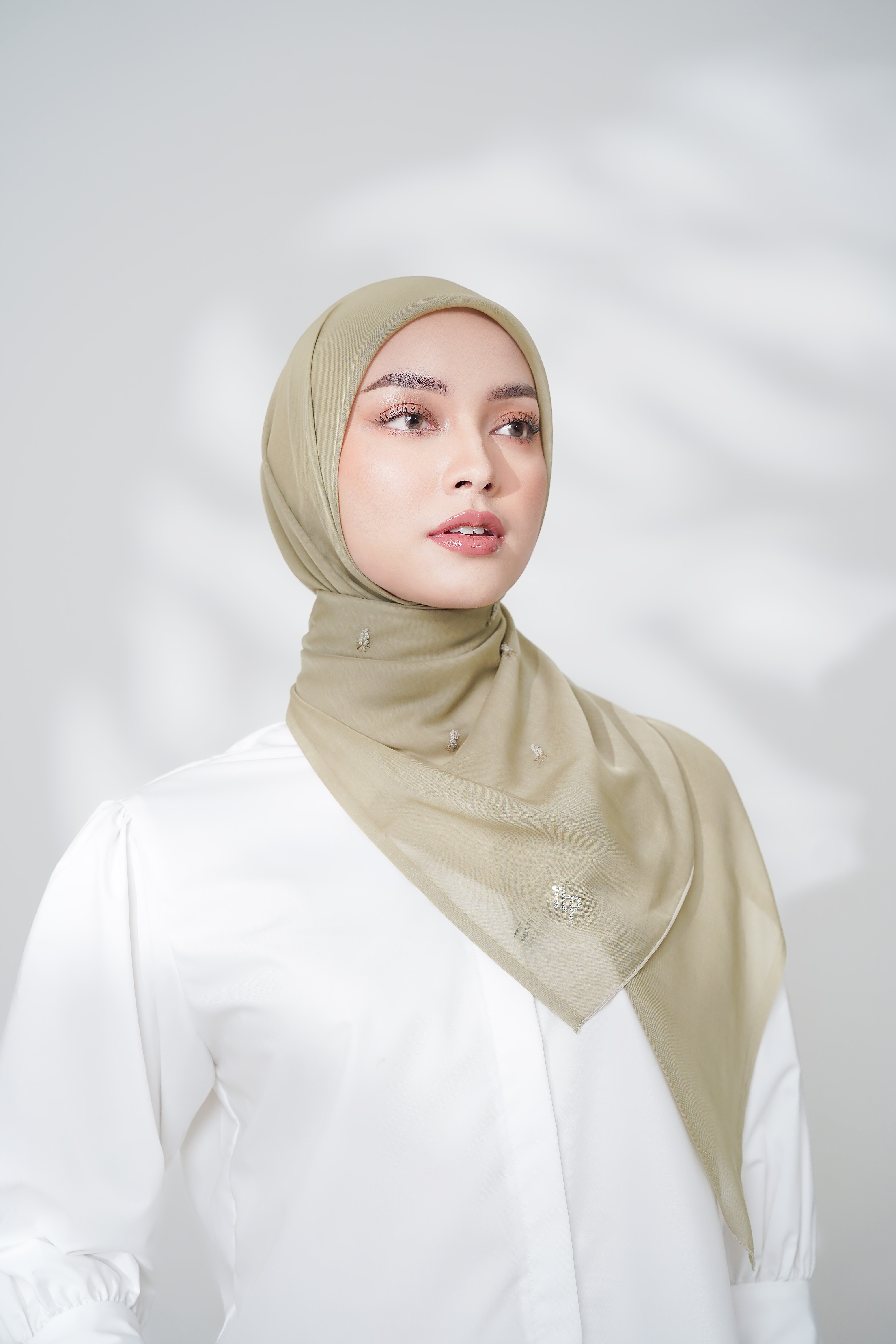
nicePeople who want to look bold but don't really like wearing patterned hijabs, sulam (embroidered) and embroidery hijabs can be a perfect alternative. Hijabs with embroidery provide a richer and more textured impression without needing to sacrifice a simple and minimalist style.
Want to try an embroidered hijab? This is perfect! napocut just launched the Nayla Sulam hijab, made from Premium Plain Paris material. With a lavender floral design, this hijab offers a luxurious, timeless, and elegant touch. Available in 5 color options, from soft to bold, it is suitable for both daily wear and formal events.
How to Care for Sulam and Embroidery Hijabs
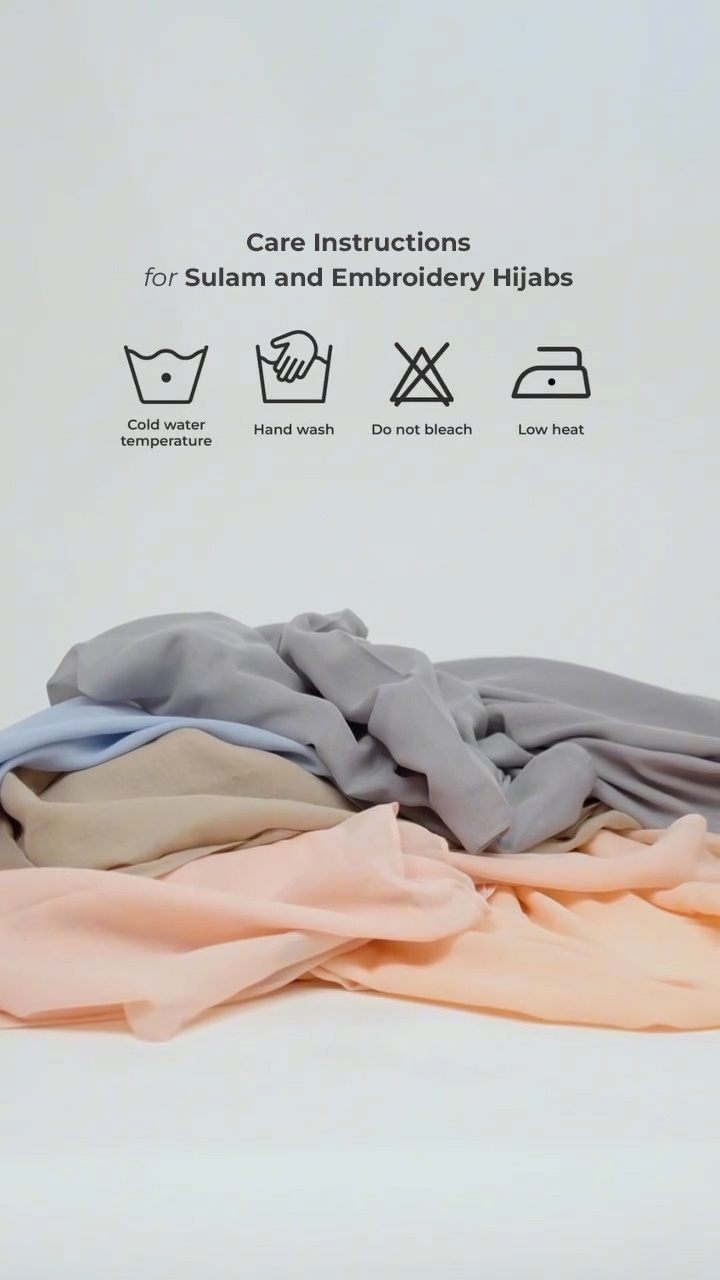
Some people are reluctant to use sulam or embroidery hijabs because they feel it is difficult to care for them. However, with the right care steps, these hijabs can remain durable and beautiful.
nicePeople who want to wear sulam and embroidery hijabs without worrying about damaging them, here are the proper care instructions:
1. Washing Technique
Wash sulam and embroidery hijabs manually by hand to keep the fabric texture, embroidery, and stitching intact. Before washing, soak the hijab in cold water mixed with a gentle detergent. Avoid detergents containing bleach as they can damage the color of the fabric and the embroidery thread. Avoid wringing the hijab hard after washing; simply press it gently to remove excess water without damaging the embroidery threads.
2. Drying Process
After washing, air dry the hijab in a shaded area with good air circulation. Use a hanger or a special hijab rack to keep its shape neat during drying. If possible, avoid hanging the hijab on rough clotheslines to prevent pulling or damage to the embroidery threads.
3. Ironing the Hijab
Iron the hijab carefully using a low temperature. Before ironing, turn the hijab inside out so the embroidery faces down, or use an additional protective cloth over the embroidered area. This is intended to ensure the threads maintain their shape and texture.
4. Safe Storage
Once clean and pressed, store the hijab in a clean, dust-free place. You can hang the hijab using a special hanger or fold it carefully. Ensure that folds do not land directly on the embroidered areas so as not to ruin the texture of the threads. If you have many sulam and embroidery hijabs, use dividers or clean fabric storage bags to prevent friction between the embroideries.
How about it, nicePeople? Isn't it easy to care for sulam and embroidery hijabs? Come on, don't hesitate to buy the Nayla Hijab and Embroidery Series from napocut!